Performance Engineering
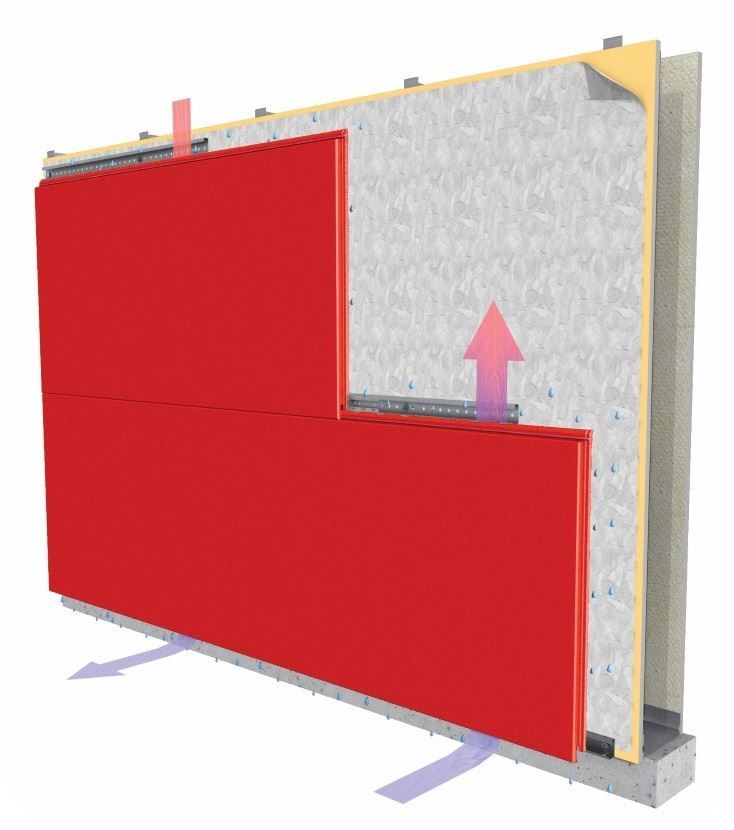
A built-in, meticulously engineered moisture management system allows air and moisture to exit, reducing the risk of mold and water damage to buildings.
Where traditional wall systems treat the symptoms of moisture intrusion, Nichiha rainscreen cladding systems tackle the issue at its source, effectively controlling the forces that drive water into the building shell.


Rainscreen Association in North America (RAiNA), is an international not-for-profit industry association dedicated to serving the rainscreen market in North America.

Rainscreen cladding systems utilize a method of construction that incorporates a cavity behind the cladding. The wall of the cavity features a water-resistive barrier. Water that penetrates behind the cladding drains to the base of the wall and back to the exterior of the building and the cavity dries rapidly via air circulation.
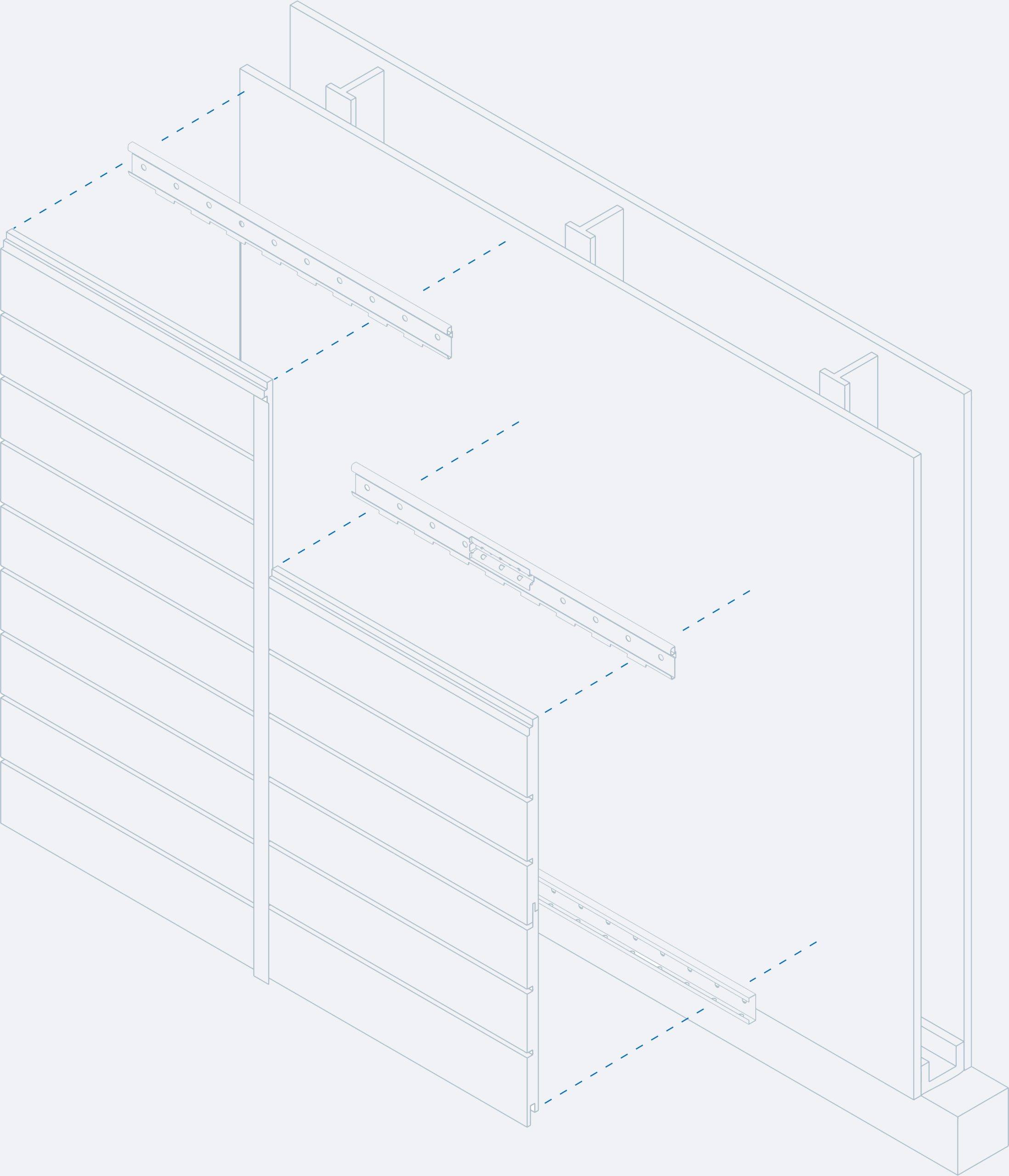
The Ultimate Clip
creates a hidden fastening system that all but eliminates face fastening. Installation is quick and easy and never requires specialty subcontractors.
Nichiha Architectural Wall Panels
are lightweight, easy to handle and available in a virtually endless color palette and a diverse offering of textural finishes.
Nichiha’s Joint Tab Attachment
is designed to support panel lateral stability, helping vertical joints stay tightly closed. The tab fits in place easily and is fastened to the Ultimate Clip with provided screw.
Drained and Back-Ventilated Rain Screen
design allows water to escape and air to circulate, reducing the risk of mold and water damage inside the building.
The Ultimate Starter Track
pulls double-duty. It ensures a fast, level installation, and its patented drainage channel directs water out and away from the base of the wall.
Traditional wall construction attempts to eliminate moisture intrusion into a building through the use of sealants and/or gaskets at all cladding joints.
While this is an ideal goal, it’s a flawed strategy. If seals are not installed perfectly and rigorously maintained, in time, moisture will penetrate behind the wall cladding. Once trapped inside the wall, with no means of draining or drying, this moisture wreaks havoc by corroding fiberglass insulation, gypsum boards, and framing and creating ideal conditions for mold growth.
Instead, rainscreen wall construction accepts the reality that, despite our best efforts, moisture will eventually find its way behind cladding and that, when it does, a means to drain and dry this moisture quickly and effectively must be provided.


A rainscreen cladding system is a wall assembly designed to manage moisture through a combination of water shedding and controlled drainage. Nichiha’s system is a closed-joint, drained and back-ventilated rainscreen, meaning it limits water intrusion at the surface while providing a cavity behind the panels that allows any incidental moisture to drain and dry.
Traditional wall systems rely heavily on sealants and face-sealed barriers to block moisture at the exterior surface. Nichiha’s closed-joint rainscreen system adds an additional layer of protection by combining a tightly controlled exterior façade with a drained and ventilated cavity, helping manage any incidental moisture while enhancing overall wall durability.
Rainscreen systems enhance exterior wall performance by improving moisture management, increasing durability, supporting energy efficiency, reducing maintenance needs, and contributing to long-term building performance.
Nichiha’s system incorporates a ventilated cavity behind the cladding and in front of the water-resistive barrier, allowing any incidental moisture to drain downward and evaporate through airflow. This helps reduce the risk of trapped moisture, mold, and material degradation.
Yes. Nichiha rainscreen systems have been tested to AAMA 509-9, which evaluates the system’s ability to manage water, promote drainage, and support ventilation within the wall assembly.
Yes. The ventilated cavity in a rainscreen system can help regulate temperature by reducing heat gain and allowing airflow, contributing to improved overall energy performance of the building envelope.
No. Nichiha rainscreen systems are designed for low maintenance, with durable materials and no reliance on exposed sealants or gaskets that require frequent upkeep.
Yes. Nichiha’s rainscreen systems are suitable for both commercial and residential applications, offering consistent performance, durability, and design flexibility across building types.
By effectively managing moisture through drainage and ventilation, rainscreen systems help protect wall assemblies from moisture-related damage, supporting long-term durability and extending the life of the building.
Nichiha provides technical support, detailing assistance, and project guidance to help ensure rainscreen systems are properly designed and installed within the overall wall assembly.
Let one of our product experts give you a call.